Diversity of Tigers
While all tigers belong to the same species, Panthera tigris, they exhibit remarkable diversity across different subspecies, each adapted to specific regions and environments. The most numerous subspecies is the Bengal tiger, which inhabits jungles and forests across India, Bangladesh, and Nepal. These tigers are well-adapted to tropical and subtropical jungle environments, with their distinctive orange coats and black stripes providing excellent camouflage in the dappled forest light.
Other tiger subspecies have evolved unique characteristics suited to their particular habitats, from the smaller Sumatran tiger adapted to dense Indonesian jungles to the larger Siberian tiger of colder climates. Unfortunately, three tiger subspecies have become extinct in the past century, highlighting the urgent need for conservation. Each remaining subspecies represents a unique genetic heritage and adaptation to its environment, making their preservation essential for maintaining the full diversity of this remarkable species.
The Bengal tiger is the most populous subspecies, thriving in diverse habitats from mangroves to grasslands.

Each tiger subspecies has unique characteristics adapted to its specific environment and prey availability.
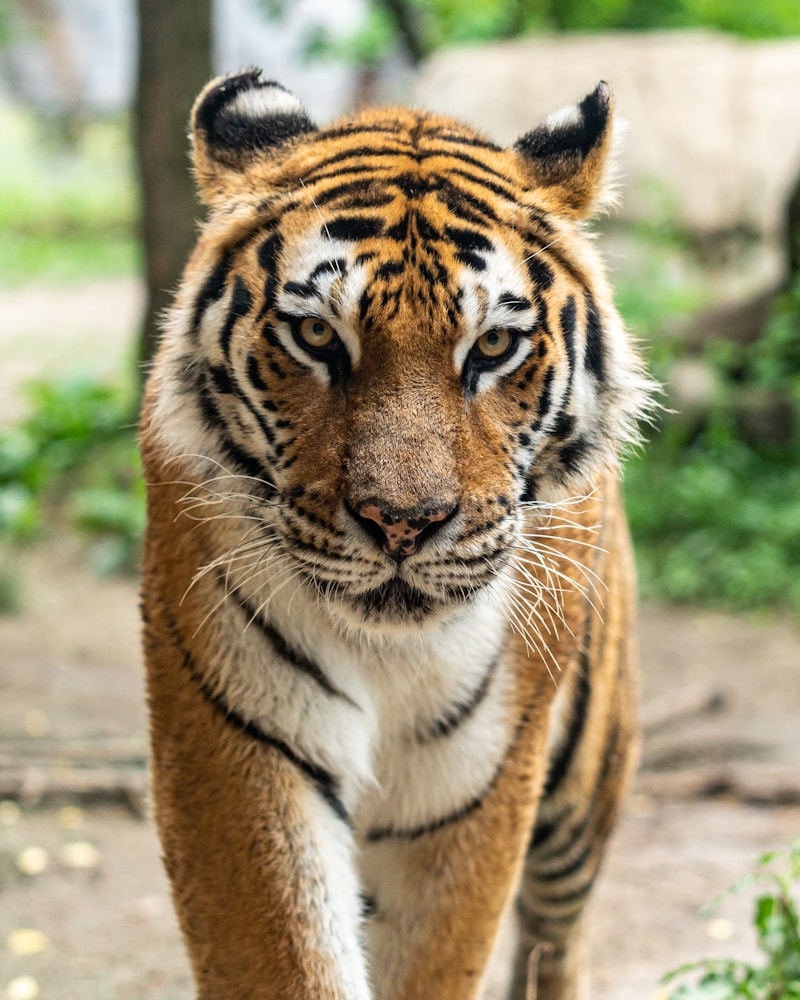
Genetic diversity within and between tiger populations is crucial for their long-term survival and adaptation to changing conditions.